
Cigar Review: Tatuaje K222
8 Jun 2016
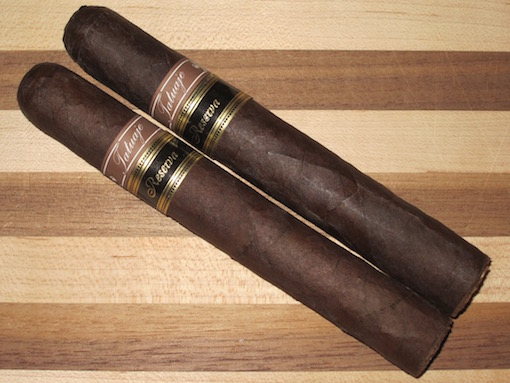
The brand new Tatuaje K222 could make for an interesting test case for the reasonableness of the “substantially equivalent” pathway for approval under the new FDA rules regulating cigars. The blend is a combination of the Tatuaje Cojonu 2003 and the Reserva J21, both of which were sold prior to the February 2007 grandfather date. Under any normal interpretation of “substantially equivalent,” it should meet that test.
 Whether the FDA would be so reasonable is another matter. Plus, the small-scale production of the K222 (around 100 boxes a month made in Miami) means if the FDA process proves too costly, there might not be an application submitted to sell the cigar past 2018. Like many cigars produced in small numbers, if the cost of an approval runs into six figures, the math simply won’t work to keep a cigar on the market that only sells tens of thousands per year.
The K222 was released two months ago as a tribute to Pete Johnson’s late dog, Kona, who passed away at 2:22 PM on April 26, 2015. Like the J21 and Cojonu 2003, it features a dark Ecuadorian Habano wrapper around Nicaraguan binder and filler tobaccos. The toro-esque size (5.9 x 52) comes in boxes of 25 with a retail price of $14.
The wrapper is dark enough to pass for Connecticut Broadleaf, and the cigar is slightly spongy to the touch, although the three samples I smoked exhibited good construction. (If you’re curious about Tatuaje’s use of the “Reserva” secondary band, note that all Reserva cigars made in Miami use an Ecuador Habano wrapper, while Nicaraguan-made Tatuajes designated Reserva have a Broadleaf wrapper. I’m told soon the Broadleaf-wrapped Tatuaje Brown Label cigars will denote Broadleaf on the secondary band to help with the confusion.)
Before firing up the K222, there is little in the pre-light draw (slight grass and a little spice on the lips) that warns of the full-bodied experience to come. Once lit, you’ll find loads of powdery smoke with lots of oak, unsweetened chocolate, earth, and pepper spice.
There is a slight bitterness that reminds me of banana peel. But just as it gets to the edge of the bitterness line, a slight sweetness reveals itself as it settles into a full-bodied cigar with sneaky strength.
Given that Cojonu essentially means ballsy, it isn’t surprising that the K222 (based in part on the Cojonu 2003 cigar) is a full-bodied smoke. Perhaps if you were expecting a more refined smoke you would find the K222 trades balance for full flavors. But if complex, full flavors are what you seek, Kona’s cigar delivers in droves. With excellent construction, deep, enjoyable flavors, and a subtle yet sneaky punch, the K222 earns a rating of four and a half stogies out of five.

[To read more StogieGuys.com cigar reviews, please click here.]
–Patrick S
photo credit: Stogie Guys
 We don’t yet know what that approval process will look like—or how long it will take, or how expensive it will be—though I wouldn’t hold out much hope for anything reasonable. The FDA has made clear they have no intention to be sensible when it comes to handmade premium cigars. Therefore, we may soon need to come to terms with a (severely) narrowed selection of cigars, cigars that have been on the market for over nine years.
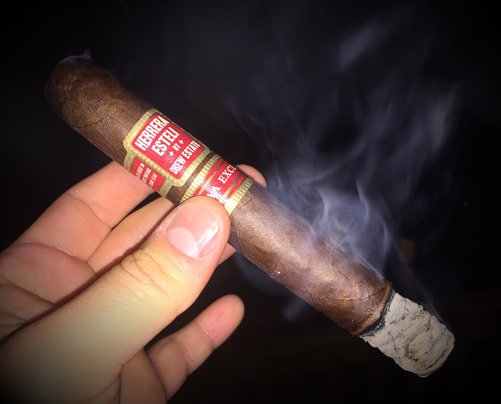
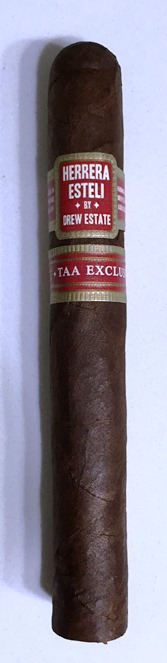 The Drew Estate Herrera Estelà TAA Exclusive is presented in a single vitola, a toro (6 x 52) that retails for $144 per 12-count box, or $12 per cigar. Whereas the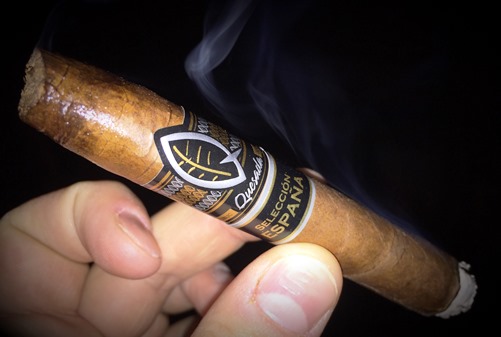
 The two CDM sizes are Fabulosos (7 x 54, $12) and the subject of today’s review, a cross between a belicoso and a lancero called Beli-Lance (7 x 40, $12). CDM received 3,000 of each size from Quesada. Each comes complete with an Ecuadorian Arapiraca wrapper, a Dominican Broadleaf binder, and filler tobaccos from Nicaragua and the Dominican Republic.
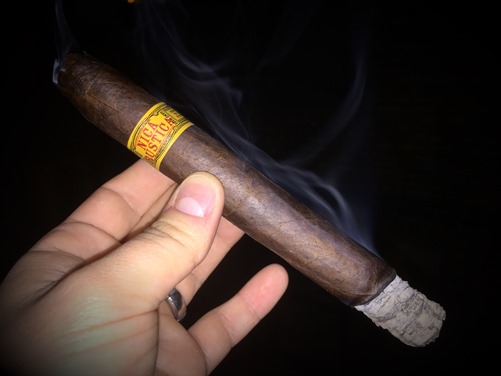
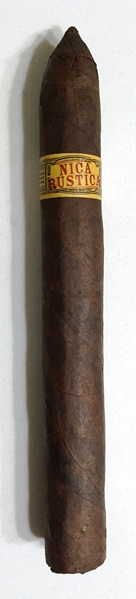 Continuing to follow in Liga’s footsteps, last year Drew Estate expanded Nica Rustica with two new sizes: the immense Belly (7.5 x 54) and theÂ
Continuing to follow in Liga’s footsteps, last year Drew Estate expanded Nica Rustica with two new sizes: the immense Belly (7.5 x 54) and the 
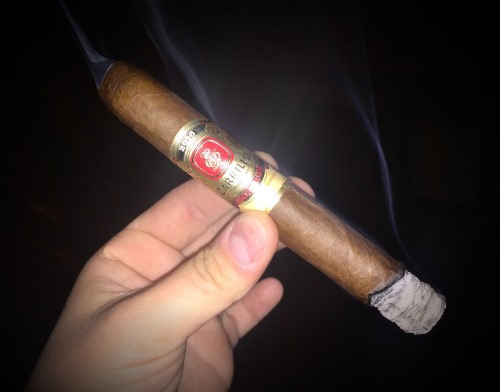
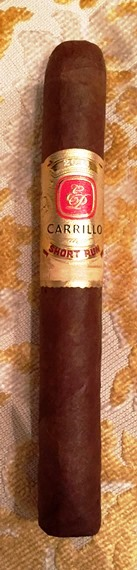 One undertaking that has helped solidify Ernesto Perez-Carrillo’s post-General Cigar success has been Short Run. So far, the line has resulted in one release per year—although, when it was first introduced, we were told there might be two Short Run blends per year. The concept is pretty simple: Make a limited run of a blend using tobacco that isn’t available in enough quantities for a full-blown release. (Read our thoughts on the
 Interestingly, the new Hoyo was touted in a press release by General’s vice president of marketing, Alan Willner, rather than a cigar blender.
 Patrick Ashby
Co-Founder & Editor in Chief
Patrick Ashby
Co-Founder & Editor in Chief Patrick Semmens
Co-Founder & Publisher
Patrick Semmens
Co-Founder & Publisher George Edmonson
Tampa Bureau Chief
George Edmonson
Tampa Bureau Chief