
Stogie News: U.S. Tax Hike Spells Devastation for EstelÃ
30 Aug 2007
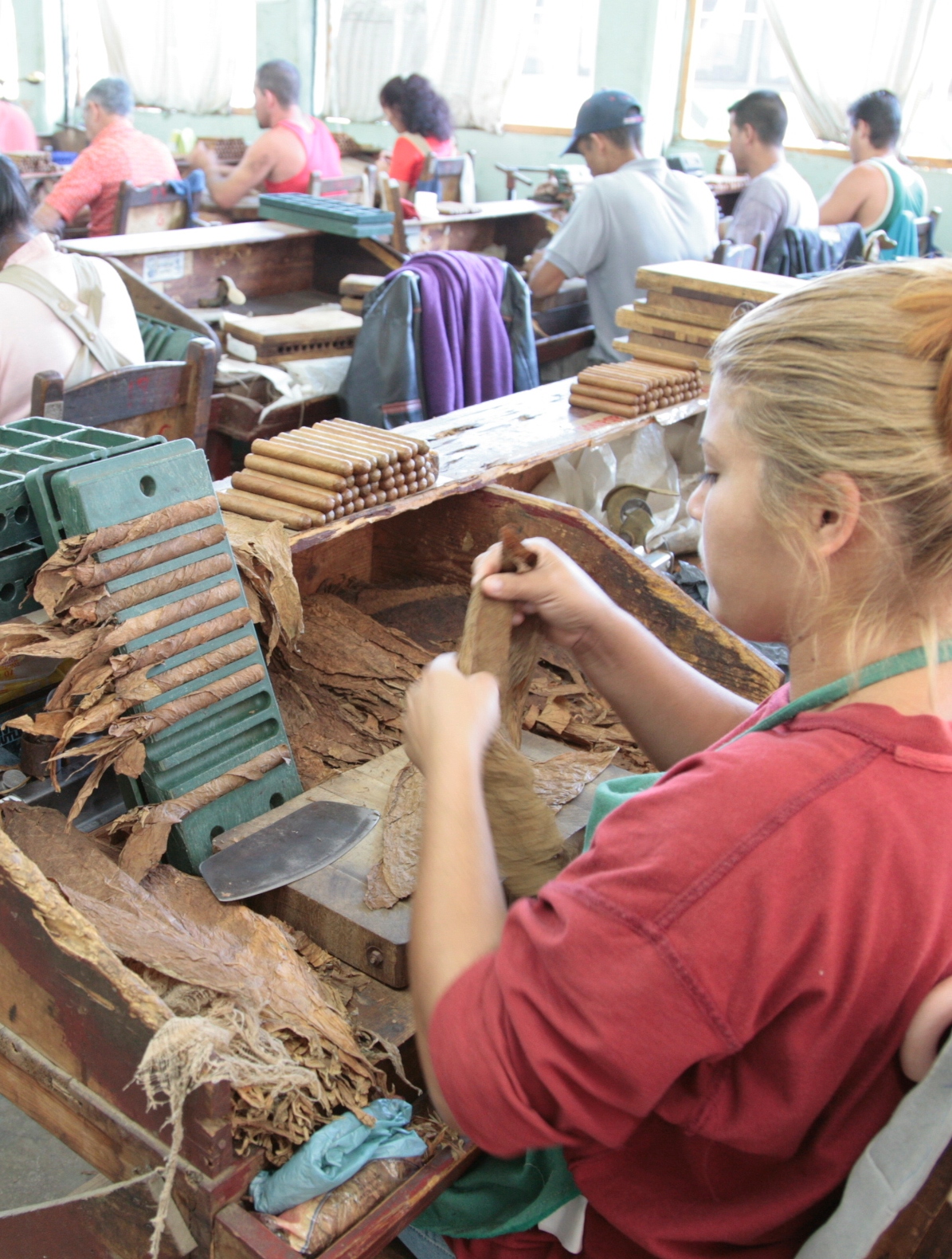 Between the review of Cuban Crafters’ Don Kiki Brown Label Toro, the cigar manufacturing video, and yesterday’s review of a Don Pepin, this week’s material has almost exclusively revolved around EstelÃ. Perhaps that isn’t too surprising, especially when you consider the northern Nicaraguan city has some of the best tobacco-growing land in the world.
Since the Cuban Revolution of 1959, Estelà has been an asylum for Cuban cigar manufacturers seeking to escape communism’s stranglehold and maintain ownership of their businesses. As a result, significant segments of the budding population of 120,000 now earn comfortable salaries working in cigar factories to supply American demand. (Nicaragua is among the top three stogie suppliers to the U.S.)
But these jobs are in serious jeopardy. As this Chicago Tribune article explains, EstelÃ’s economy – and the frail economies of the entire cigar-producing region – would be devastated by Congress’ proposed tax hike.
“Government officials and industry leaders say thousands of jobs are at risk in Nicaragua, Honduras, and the Dominican Republic because of U.S. legislation that would hike taxes on cigars to help fund an expansion of children’s health insurance.â€
In addition to the points I made in this July commentary, such looming economic damage is certainly worth noting when Congress reconvenes in September and attempts to reconcile the House and Senate versions of the proposed tax hike. Many of the benefits globalization has bestowed on the cigar-producing region would be forsaken – including high-paying jobs in EstelÃ.
“With cigars, bosses prize workers who master their company’s recipes and technique. To keep their workers happy, [the] Plasencia [factory] offers child care and tuition assistance for college. A cigar roller typically makes $100 a week, not a fortune but good pay in a country where most people make less than $7.â€
While having to pay extra for our beloved hobby would be an inconvenience for cigar enthusiasts like you and me, the far-reaching effects of the tax hike would be nothing short of horrifying for the thousands who rely on the industry for their livelihood.
Not concerned about jobs in Nicaragua? Consider the economic devastation would include not only cigar rollers, tobacco harvesters, and others all across the Caribbean, but also hardworking retailers in the U.S.
Tags: cigars
 Patrick Ashby
Co-Founder & Editor in Chief
Patrick Ashby
Co-Founder & Editor in Chief Patrick Semmens
Co-Founder & Publisher
Patrick Semmens
Co-Founder & Publisher George Edmonson
Tampa Bureau Chief
George Edmonson
Tampa Bureau Chief
That's incredible! I had no idea some cigar manufacturers paid over 14 times the going rate for similar labor.
Kind of makes me feel like the sticks in my humidor are doing more good than just keeping me happy…
So you’re saying in addition to putting U.S. retailers out of business, creating a black market, and increasing the price of cigars by up to 10,000 percent, the tax hike would devastate Third World countries?
Sounds win-win to me…
your sister is hot!
There's a good article in today's New York Sun about the affect the tax hike will have on U.S. retailers. It's worth a read.
http://www.nysun.com/article/61713
I heard a rumor that Nicaragua is actually going after the taxes via CAFTA saying that all cigar taxes are illegal I'm curious to see if that bears out.