
Stogie News: More Congressional Tobacco Shenanigans
2 Aug 2007
As if massive tobacco tax increases weren’t enough, a Senate panel voted yesterday to subject tobacco products to regulation by the Food and Drug Administration (FDA).
The move would give FDA bureaucrats the ability to regulate tobacco as well as tobacco advertisements, a power both current and former FDA Commissioners don’t even want, citing limited resources and the fact that regulating tobacco as a “drug†the same way it regulates pharmaceutical drugs doesn’t fit into the FDA’s mission – potentially jeopardizing the health of cigarette smokers.
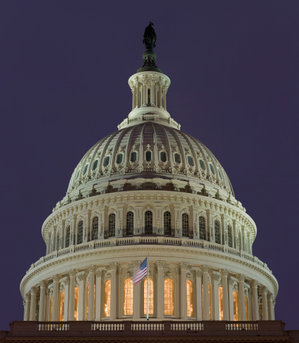 But while the health bureaucrat-types oppose FDA regulation of tobacco, an unlikely coalition supports it. Altria/Philip Morris, the world’s largest tobacco company, and anti-smoking groups teamed up to push FDA oversight. Both want to cut back the ability of tobacco companies to exercise their first amendment right to advertise their legal products, but for different reasons.
Altria/Phillip Morris knows that without the ability to advertise, its competitors can never challenge its dominance of the cigarette market. Meanwhile, anti-tobacco groups see pharmaceutical-style FDA regulation of advertisements a step towards the FDA declaring all tobacco products unsafe and thus prohibited.
In an interesting twist, the law forbids the FDA from certifying that some forms of tobacco are safer than others, despite a mountain of evidence. This means smokeless tobacco or cigar manufacturers cannot tell consumers that their products are safer than cigarettes even if such claims are empirically proven.
So how does this law affect cigar smokers?
Besides being another step down the road to complete tobacco prohibition, FDA regulation may mean substantially limited advertising of cigars in magazines like Cigar Aficionado, Smoke Magazine, and Cigar Magazine, and also potentially on websites such as this one.
In addition to harming publications that rely on advertising, such Draconian rules threaten to stifle the recent streak of innovation that has been seen in the premium cigar market, as introducing new products often requires an advertising campaign to inform potential consumers.
More drastically, future FDA regulation may mean the removal or reduction of certain chemicals – such as nicotine – from tobacco products. For cigar makers that simply roll together leaves with naturally occurring chemicals, the regulation of certain chemicals would spell the end for the entire handmade cigar industry.
Tags: cigars
 Rocky Patel Sumatra Edge
 The bill would force law-abiding citizens like you and me to pay up to $10 in federal taxes to support what some call a noble cause: providing government-funded health care for poor children. But the anti-tobacco extremists behind the legislation fail to realize how the millions of people who are employed by the industry would be devastated. What about their children?
 One such law was the statewide smoking ban in Ohio. Calling for a prohibition on smoking in public places and most private businesses, the ban passed easily with about 58 percent of the vote. We also mentioned that a similar Buckeye State proposition with some reasonable exemptions failed miserably.
 At StogieGuys.com, we generally don’t go out of our way to celebrate presidents’ birthdays – unless they’re dead and we get a day off work. But Bush’s birthday did remind us of a little-known fact: While he gave up booze and harder drugs many years ago, he still enjoys a cigar from time to time.
 The modern presidency also had its cigar smokers. Eisenhower, Kennedy (who famously bought up over a thousand Cuban cigars the night before signing the embargo), Lyndon B. Johnson, and Richard Nixon all enjoyed their smokes. And of course Bill Clinton famously enjoyed cigars in more than one way, although the White House was made smoke free during his Presidency.
 But for all the writing we’ve done on the negative consequences of forced smoking bans, there’s one that has been completely overlooked: smoke makes bars smell better.
 Patrick Ashby
Co-Founder & Editor in Chief
Patrick Ashby
Co-Founder & Editor in Chief Patrick Semmens
Co-Founder & Publisher
Patrick Semmens
Co-Founder & Publisher George Edmonson
Tampa Bureau Chief
George Edmonson
Tampa Bureau Chief