
Cigar Spirits: Ron Zacapa Centenario 23 Rum
29 Sep 2014
Just like bourbon is my go-to cigar pairing in the colder months, rum is typically my libation of preference in the summer. Summer may be over, but this weekend had outstanding weather here in Chicago, and I used the sunshine as an opportunity to enjoy one of my favorite rums.
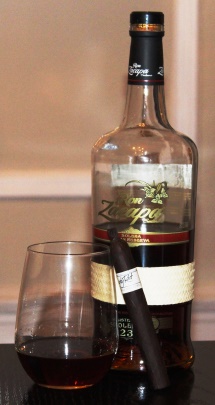 Ron Zacapa Centenario 23 is made in Guatemala, where it is blended from rum made from first-crush sugar cane juice—as opposed to molasses—and aged in oak barrels previously used for bourbon, sherries, and Pedro Ximénez wines. It employs the solera method, a system used regularly for fortified wine such as port and sherry.
Under the solera system, barrels of the oldest rum are regularly mixed with newer rum but never bottled completely. The result is a spirit with a mix of 6- to 23-year-old rum.
According to the back of the bottle, the solera process is “guided and repeated under the critical eye of the Master Blender until reaching the maturity and complexity of aromas and flavors that shape this unique premium rum.†Also key to the development of this rum is the high altitude (2,300 meters) at which it is aged in Guatemala. The low temperature and low levels of oxygen reportedly enable easier, more thorough blending.
Bottles of Centenario (750 ml., 80-proof) sell for around $50 apiece. The rum pours a dark mahogany with some reddish hues, and the nose is characterized by notes of vanilla, dried apricot, and dark chocolate. The texture is highly viscous, leaving long legs when swirled in the glass.
Served neat—which, I believe, is the only way to taste this rum—the rich, smooth flavors hit the palate with sweetness, banana, almond, oak, and cinnamon. The finish is long and balanced as it slowly transitions from intensity to subtle heat.
For quite some time, I’ve considered Zaya, Plantation, El Dorado 15, and Zacapa Centenario to be my favorite rums. Among the four, these days I’d give the slight edge to Zacapa, but you can’t go wrong with any of them. Centenario is just so damn velvety and nicely balanced. And it’s dangerously easy to sip neat.
As far as cigars go, my suggestion is to pair Ron Zacapa Centenario 23 with a medium- to full-bodied cigar that doesn’t pack a lot of sweetness. Think dark, peppery spice. The Drew Estate Liga Privada Único Serie Dirty Rat, for example, is an excellent complement. But I’m sure you’ll think of many other outstanding pairings.
photo credit: Stogie Guys
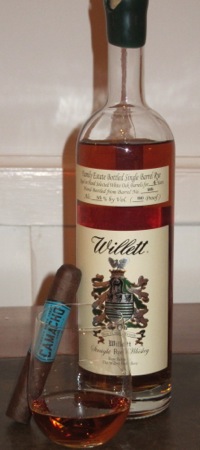 The
The 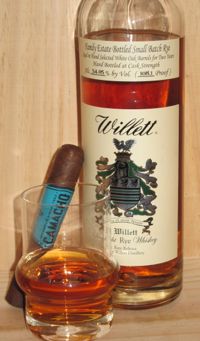 Willett has been bottling good rye for a while now, but up until a few years ago they didn’t distill any of it (at least since the 1970s). Companies, especially new ones, that bottle and brand whiskey made elsewhere are a dime a dozen (and that’s not a knock as some of it is quite good). Though Willett isn’t a new name in the whiskey game.
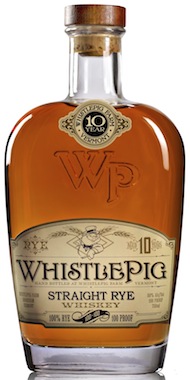 That makes them similar, but not identical. From a technical aspect, the difference is proof: Jefferson’s (10 year, 94-proof), Whistlepig (10 year, 100-proof), and Masterson’s (10 year, 90-proof). Having tasted all three, it’s clear each has a character all its own.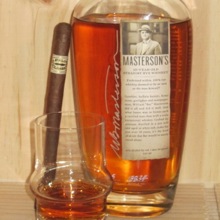
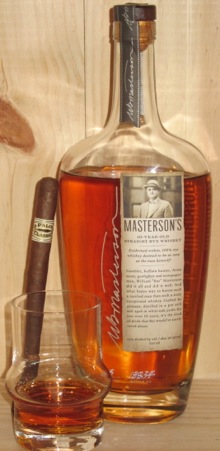 But as the American appetite for rye grew, older rye was suddenly difficult to find, especially if the whiskey company didn’t have their own distillery. So people began turning to unusual sources. One such source was Canada, where this 100% rye was distilled to be blended into Canadian whiskey.
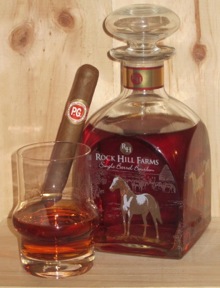 Rock Hill Farms is made by Buffalo Trace, which crafts many well-known bourbons, from Blanton’s to
  Patrick Ashby
Co-Founder & Editor in Chief
Patrick Ashby
Co-Founder & Editor in Chief Patrick Semmens
Co-Founder & Publisher
Patrick Semmens
Co-Founder & Publisher George Edmonson
Tampa Bureau Chief
George Edmonson
Tampa Bureau Chief