
Cigar Spirits: E.H. Taylor Single Barrel Bourbon
17 Oct 2013
Buffalo Trace makes plenty of great bourbons: Blanton’s, George T. Stagg, Elmer T. Lee, W.L. Weller, Eagle Rare, Buffalo Trace, and a little bourbon called Pappy Van Winkle. (Pappy has become excruciatingly difficult and expensive to acquire in the past few years.)
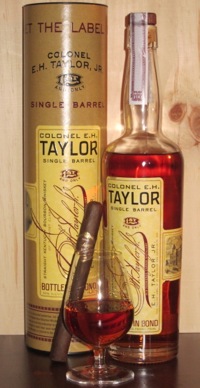 That’s why I was enthusiastic about trying one of Buffalo Trace’s newer offerings: E.H. Taylor, named after Colonel Edmund Haynes Taylor, Jr., one of the founding fathers of the bourbon industry and one-time owner of what is now called Buffalo Trace Distillery. Taylor was a proponent of the Bottled-in-Bond Act of 1897, which ensured quality standards for “bottled-in-bond” bourbon (back then lots of bourbon was mixed with things like tobacco, turpentine, or other horrible additives to appear more aged than they were). The Act also ensured that the federal government could more easily collect taxes.
Naturally, the many styles of E.H. Taylor are all “Bottled-in-Bond” in compliance with the 1897 law, most of which is still in effect. In order to meet that standard, a bourbon must be 100-proof straight whiskey, must be made at one distillery and distilled in one season, and must be at least four years old. Up until the 1980s bottled-in-bond whiskey was guarded by federal treasury agents in special warehouses where taxes were collected only when whiskey was bottled for sale and departed the warehouse.
The E.H. Taylor line currently includes six whiskeys. The single barrel bourbon variety sells for $60-70 a bottle. And it’s a handsome bottle that comes in a matching tube. It also belongs on my top shelf, along with George T. Stagg, Smooth Ambler, and Zaya Rum, if only because, like those, the bottle is too tall to fit on any of my other shelves.
I’ve seen the age listed at 11 years and 7 months, but the bottle doesn’t have a formal age statement, so take that with a grain of salt. The resulting 100-proof spirit is a dark amber color with a rather muted nose of caramel notes.
On the palate, E.H. Taylor Single Barrel demonstrates fudge, nut, dried fruit, winter spices, and just a bit of oak. It has a rum-like mouthfeel. The finish is medium-length and smooth with more dried fruit and fudge.
There’s a fair bit of nuance to the Taylor Single Barrel, so you’ll want to go with a mild or medium-bodied smoke with lots of balance. Think Tesa Vintage Especial, Ashton Classic, Arturo Fuente King T Rosado Sun Grown, Cabaiguan, or the Cuban Cohiba Siglo.
Overall, I enjoyed E.H. Taylor Single Barrel, but for the price I’d expect something a bit more exceptional. It’s only a bit better than Elmer T. Lee or Eagle Rare 10 Year (and at least double the price) and not nearly what George T. Stagg is (if you can find it) for not too much more money. Connoisseurs may want to seek this out, but if you’re just getting acquainted with bourbon there are better options that provide more value.
photo credit: Stogie Guys
 While good single malt seems to start at $50 (if you disagree, please leave suggestions in the comments), good bourbon can be had for quite a bit less. If you’re willing to spend $50 or more there there are some really special bourbons available (take a look at my recent
 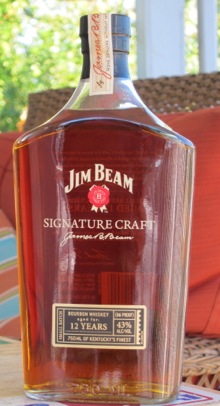 In addition to Jim Beam’s standard White Label bourbon (four years), Noe is responsible for Beam Black (eight years) and the small batch collection that includes
 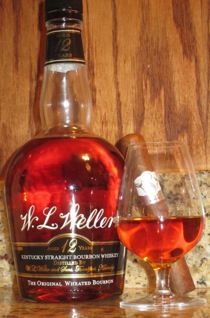 W.L. Weller is made by Buffalo Trace, which makes a bevy of my favorite bourbons, including but not limited to
 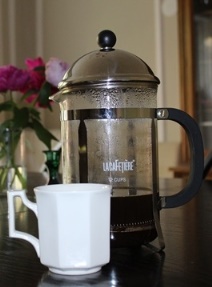 Coffee
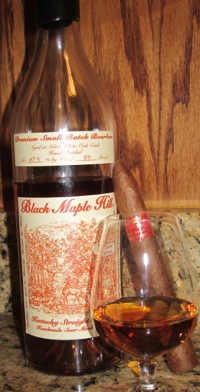 By the way, the same is true of cigars. Some cigar makers have own their factory, while other brand owners contract someone else to make it for them. But for both bourbons and cigars there’s a wide range of those who fall in the latter category. Some companies are completely upfront about who makes their cigars (they may be more like co-producers), while others are completely secretive. Fortunately, for cigars, the top-secret undisclosed factory is the rarity.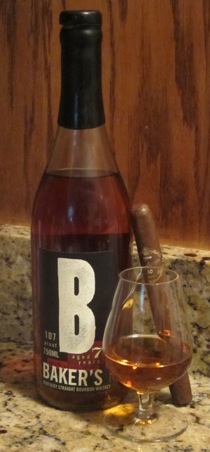
 Patrick Ashby
Co-Founder & Editor in Chief
Patrick Ashby
Co-Founder & Editor in Chief Patrick Semmens
Co-Founder & Publisher
Patrick Semmens
Co-Founder & Publisher George Edmonson
Tampa Bureau Chief
George Edmonson
Tampa Bureau Chief